Undergrowth Removal in Atlanta, GA
Undergrowth removal services involve the clearing and thinning of dense vegetation, bushes, and small trees that can overrun a property. This service is commonly requested for projects such as maintaining clear pathways, preparing land for construction or landscaping, controlling pest habitats, or improving overall yard appearance. Property owners should consider the extent of overgrowth, the types of plants involved, and any specific goals for their outdoor space before requesting removal, ensuring the work aligns with their property management plans.
Before requesting undergrowth removal, homeowners often want to understand the scope of the area to be cleared, the types of vegetation involved, and any potential impact on existing landscaping or nearby structures. Clarifying these details helps determine the appropriate methods and tools needed for efficient removal. Additionally, property owners may inquire about disposal options for the removed material and whether any permits are required for larger projects or land clearing efforts.
Many property owners in Atlanta, GA look into Undergrowth Removal for repairs, replacements, upgrades, and appearance-related improvements.
Clearance For Landscaping
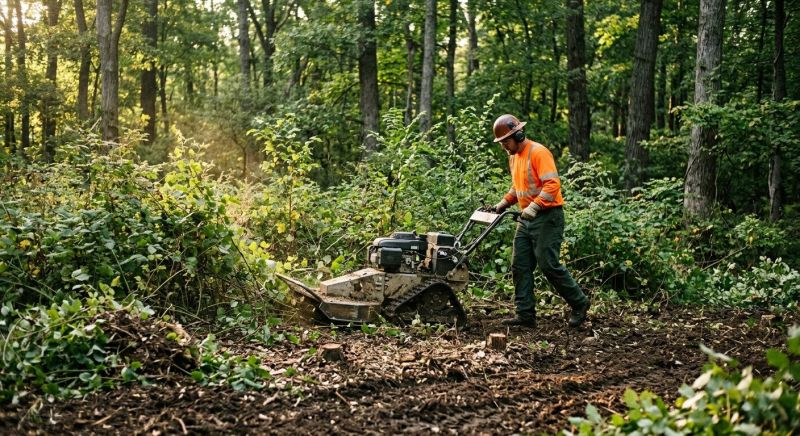
Removing undergrowth helps prepare your yard for new landscaping projects.
Improved Property Safety
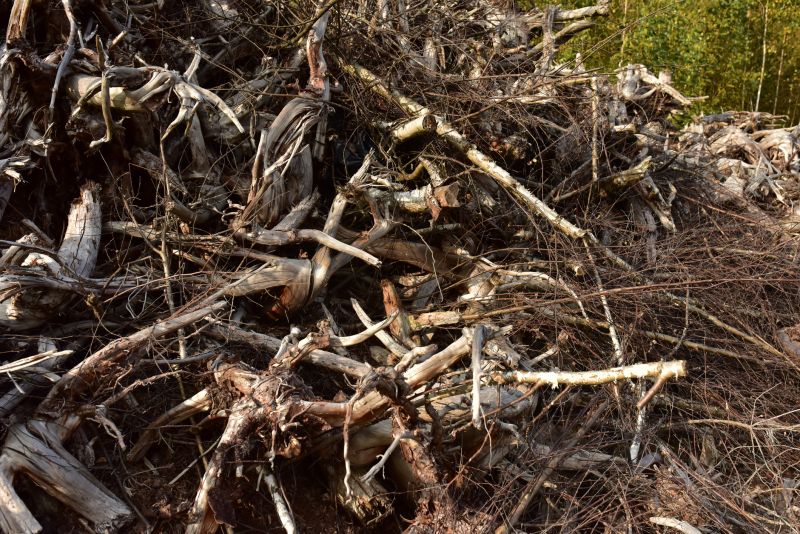
Eliminating dense undergrowth reduces fire hazards and prevents pests from nesting.
Enhance Curb Appeal
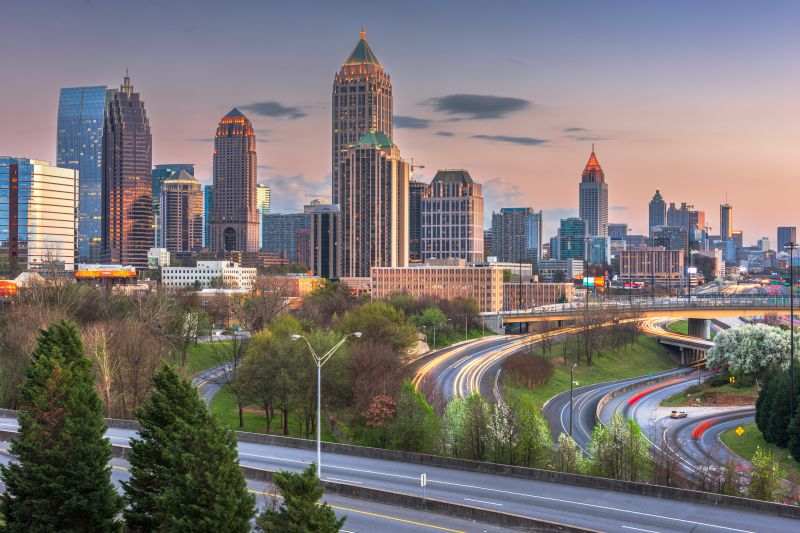
Removing overgrown plants creates a tidy, inviting appearance for homes in atlanta, ga.
Undergrowth Removal in Atlanta, GA
Undergrowth removal services involve the clearing and thinning of dense vegetation, bushes, and small trees that can overrun a property. This service is commonly requested for projects such as maintaining clear pathways, preparing land for construction or landscaping, controlling pest habitats, or improving overall yard appearance. Property owners should consider the extent of overgrowth, the types of plants involved, and any specific goals for their outdoor space before requesting removal, ensuring the work aligns with their property management plans.
Before requesting undergrowth removal, homeowners often want to understand the scope of the area to be cleared, the types of vegetation involved, and any potential impact on existing landscaping or nearby structures. Clarifying these details helps determine the appropriate methods and tools needed for efficient removal. Additionally, property owners may inquire about disposal options for the removed material and whether any permits are required for larger projects or land clearing efforts.
Many property owners in Atlanta, GA look into Undergrowth Removal for repairs, replacements, upgrades, and appearance-related improvements.
Common Undergrowth Removal Jobs
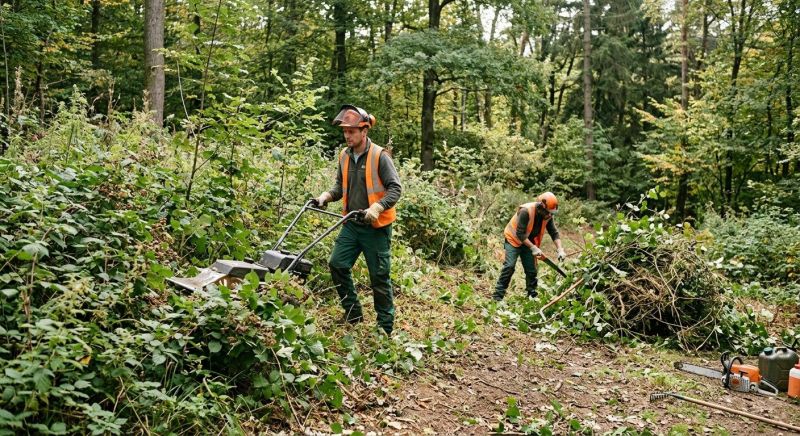
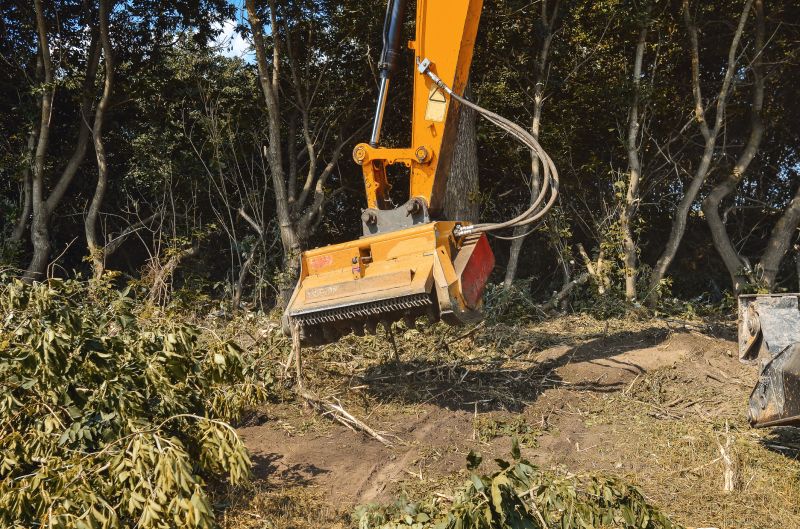
Undergrowth removal involves clearing dense shrubs and invasive plants to improve yard visibility.
Bush and shrub clearing helps maintain healthy plant growth and prevents overgrowth.
Invasive plant removal targets unwanted species that threaten native landscaping.
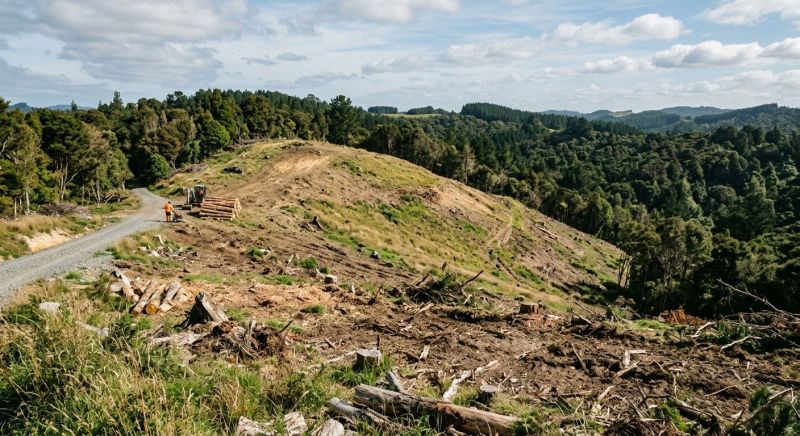
Overgrown lot clearing prepares properties for landscaping or development projects.
Thorn and bramble removal reduces hazards and makes outdoor spaces safer.
Garden undergrowth clearing promotes healthier lawns and garden beds.
Undergrowth Removal Questions
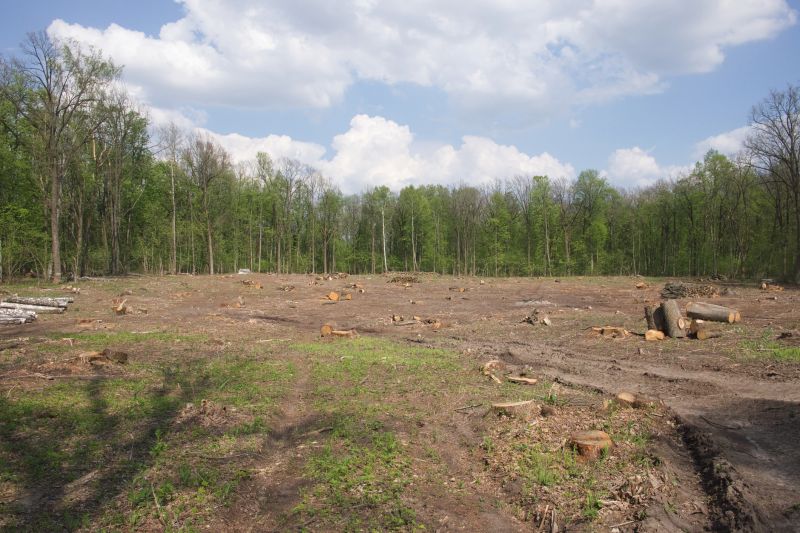
What is undergrowth removal? Understory removal involves clearing dense or unwanted plants, shrubs, and small trees to improve landscape appearance or health.
When should undergrowth removal be considered? It is useful when overgrown areas hinder access, promote pests, or negatively impact the appearance of a property.
What types of projects typically require undergrowth removal? Projects include clearing overgrown yards, preparing land for new landscaping, or maintaining fire safety zones.
What should property owners know before starting undergrowth removal? Proper planning ensures the right tools and techniques are used, minimizing damage to desired plants and structures.
Request Undergrowth Removal in Atlanta, GA
Use the quote form on this page to share the basics of your project and request more information for the type of work you need.